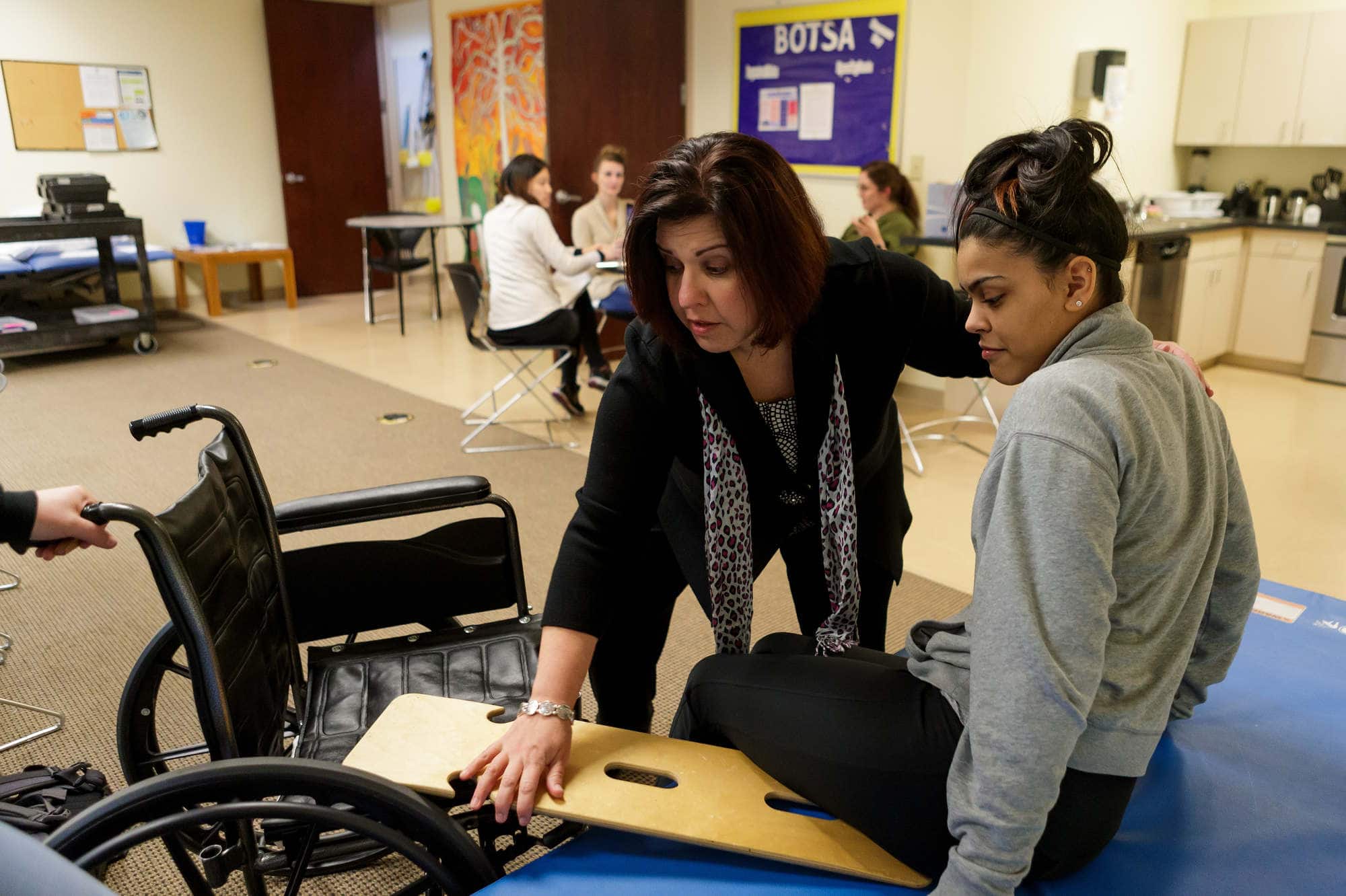
Occupational therapists help people participate in the everyday activities that matter to them. Brenau University’s 85-credit Master of Science in Occupational Therapy (MSOT) prepares you for entry-level occupational therapy practice through client-centered coursework, lab-based skill development, evidence-based practice, scholarly study and fieldwork across the lifespan.
One MSOT Program, Two Pathways
Pursue your master’s in the way that works best for your life
Choose a six-semester on-ground option in Gainesville or a seven-semester hybrid weekend option in North Atlanta (Norcross). The curriculum combines occupational therapy coursework, labs, fieldwork and scholarly study to prepare graduates for entry-level practice and eligibility for the NBCOT certification exam.

Gainesville On-Ground
- 6 semesters, full-time
- Take classes during the day Monday through Friday
- Located at Brenau’s East Campus in Gainesville, Ga.
North Atlanta Hybrid Weekend
- 7 semesters
- Take classes online and in-person on the weekends
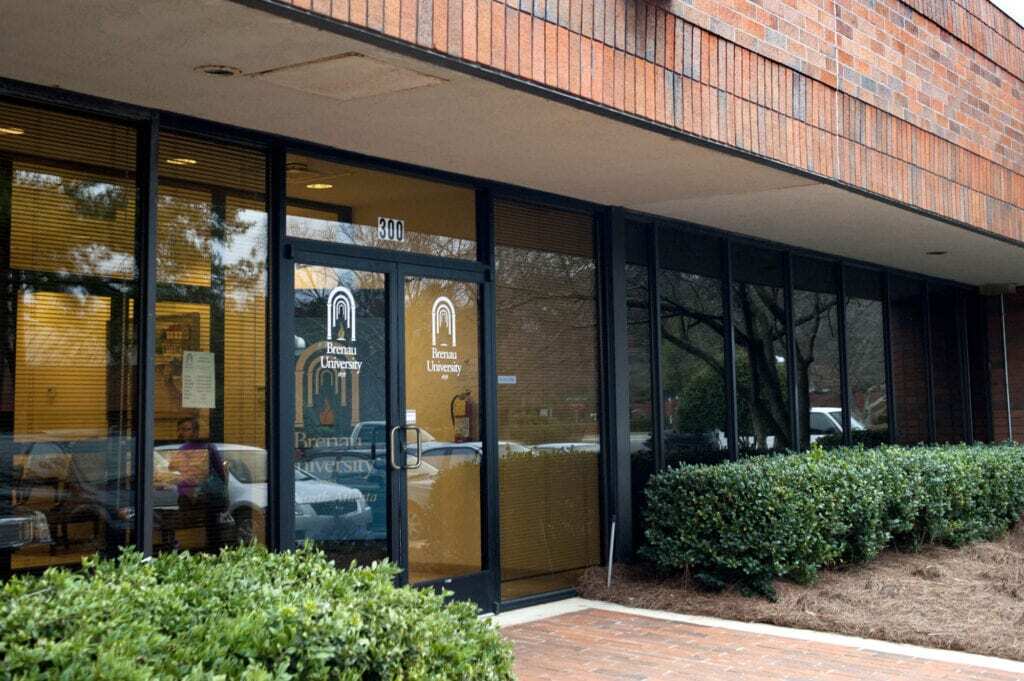
- Located at Brenau’s North Atlanta Campus in Norcross, Ga.
Program at a glance
- Degree
- Master of Science in Occupational Therapy (MSOT)
- Total program requirements
- 85 credit hours
- Accreditation
- ACOTE accredited
- GRE
- Not required
- Application
- OTCAS
Gainesville Day
- Format
- On-ground
- Location
- Gainesville, Georgia
- Program length
- 6 semesters
- Start term
- Fall
- Early application deadline
- Dec. 2, 2026
- Final application deadline
- April 1, 2027
- Tuition
- View current OT tuition and cost information
North Atlanta Hybrid Weekend
- Format
- Hybrid (Online with weekend classes in-person)
- Location
- North Atlanta (Norcross), Georgia
- Program length
- 7 semesters
- Start term
- Spring
- Early application deadline
- March 1, 2027
- Final application deadline
- June 2, 2027
- Tuition
- View current OT tuition and cost information
What you’ll learn and practice
Brenau’s MSOT curriculum builds in cycles of learning, practice and reflection. You will learn concepts, apply them in labs and field experiences, reflect on what happened and use that experience to make better decisions the next time. Client-centered practice is reinforced throughout the program, with an emphasis on critical thinking, problem-solving and evidence-based care. The required curriculum provides broad entry-level preparation across ages, settings and practice areas.
Through the program, you will learn to:
- Analyze activities and occupations. Build skills in activity analysis, occupational performance, documentation and client-centered practice while learning to consider each client’s goals, routines and priorities.
- Develop professional reasoning over time. Four Professional Reasoning courses connect field-based experiences with guided reflection as you learn to understand client perspectives, weigh evidence and context, and make thoughtful practice decisions.
- Evaluate and plan occupational therapy interventions across the lifespan. Coursework addresses infants and children, adolescents and adults, and adults and older adults while connecting movement, neuroscience and health conditions to occupational performance.
- Use evidence to guide practice. Learn to locate, evaluate and communicate research, then apply evidence to professional decision-making.
- Develop and apply clinical skills. Practice evaluation, intervention, outcome measurement, documentation and upper-extremity applications through lab and application coursework.
- Work across professional and community contexts. Study inter-professional care, health promotion, advocacy, supervision, administration and leadership in occupational therapy services.
- Complete a faculty-mentored scholarly study. Develop a scholarly product connected to current occupational therapy priorities in areas such as clinical or community practice, education, program development, advocacy, leadership or service delivery.
Fieldwork and community learning
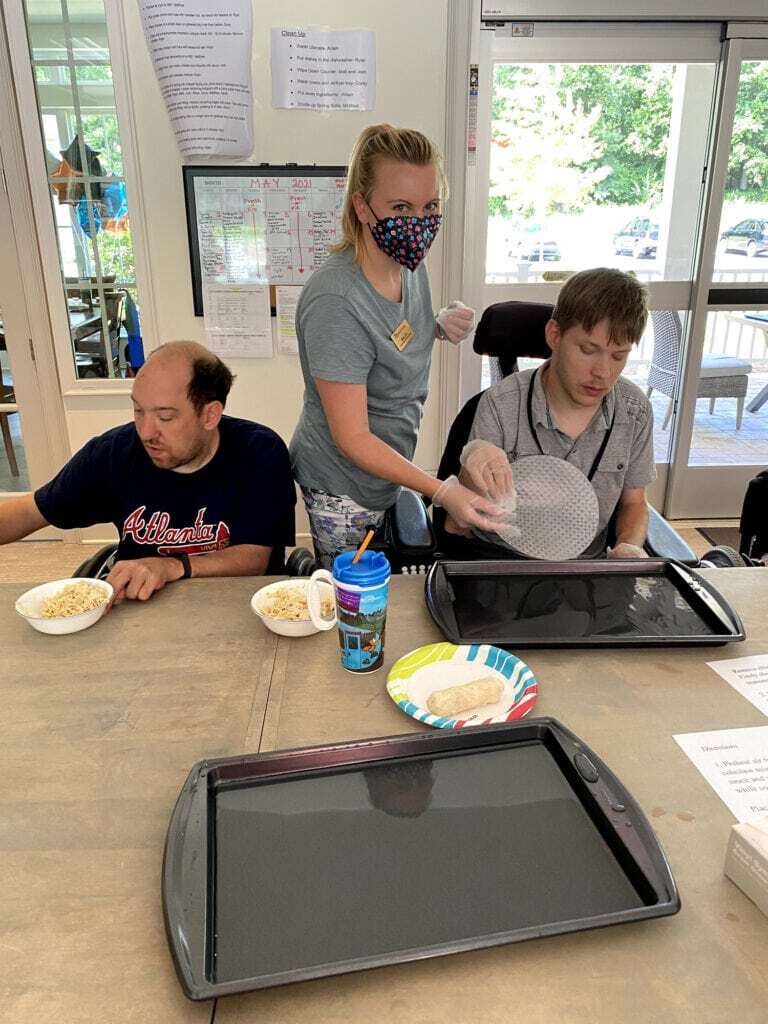
Fieldwork begins well before the program’s two full-time Level II placements. Level I experiences are spread across the curriculum, pairing repeated observation and practice with seminars focused on reflection and professional reasoning. Students encounter community and mental health settings, adult and older-adult practice, and services for infants and children.
Later in the program, students complete two full-time Level II fieldwork experiences at approved sites. Depending on the placement, settings may include medical, educational or community-based programs with occupational therapy services and qualified supervision.
Students also have opportunities to work with community members through Brenau’s Center for Productive Living and School partnerships.
Selected MSOT coursework

The 85-credit curriculum includes courses such as:
- OT 603: Foundations of Practice
- OT 606-609: Professional Reasoning sequence – Client Centered Care; Adolescents and Adults; Adults and Older Adults; Infants and Children
- OT 611: Research Methods for Evidence-Based Practice
- OT 612: Evidence-Based Practice and Professional Literacy
- OT 621: Functional Kinesiology
- OT 624: Occupational Therapy – Adolescents and Adults
- OT 626: Occupational Therapy – Adults and Older Adults
- OT 628: Occupational Therapy – Infants and Children
- OT 639: Neuroscience
- OT 680: Advanced OT Process
- OT 711 and OT 721: Scholarly Study I and II
- OT 715 and OT 716: Level II Fieldwork
- OT 722: Supervision and Administrative Issues in OT
- OT 725: Health Education and Promotion
- OT 727: Applications for the Upper Extremity
- OT 760: Professional Development Planning
View the 2026-27 MSOT curriculum in the Brenau University Catalog.