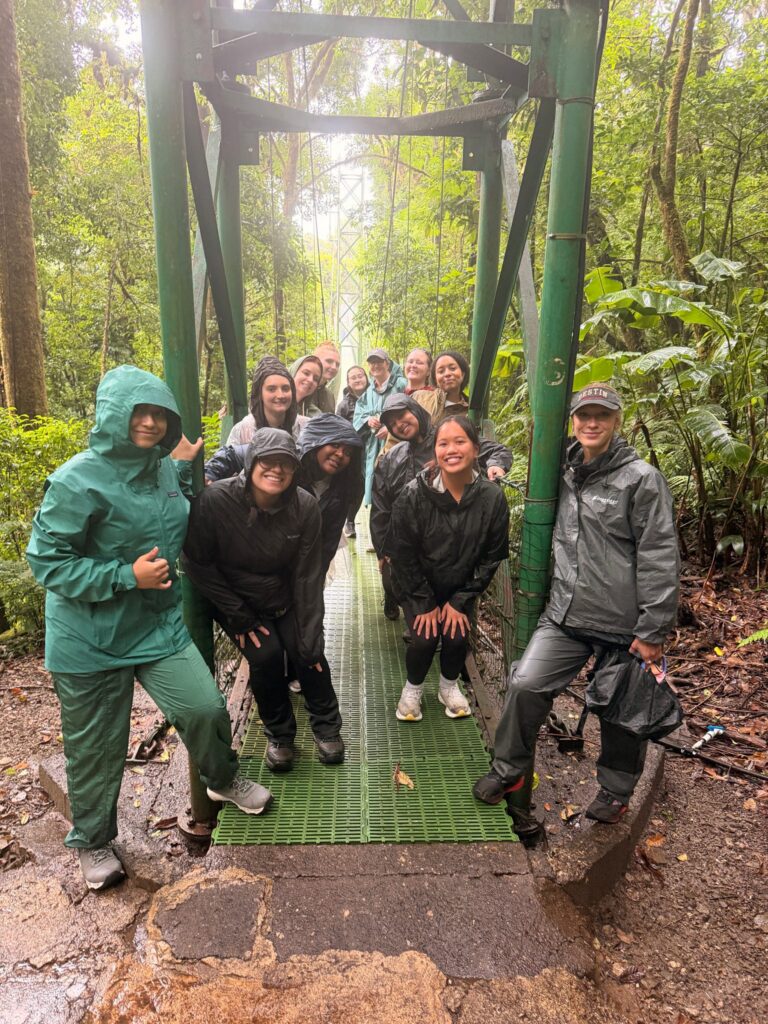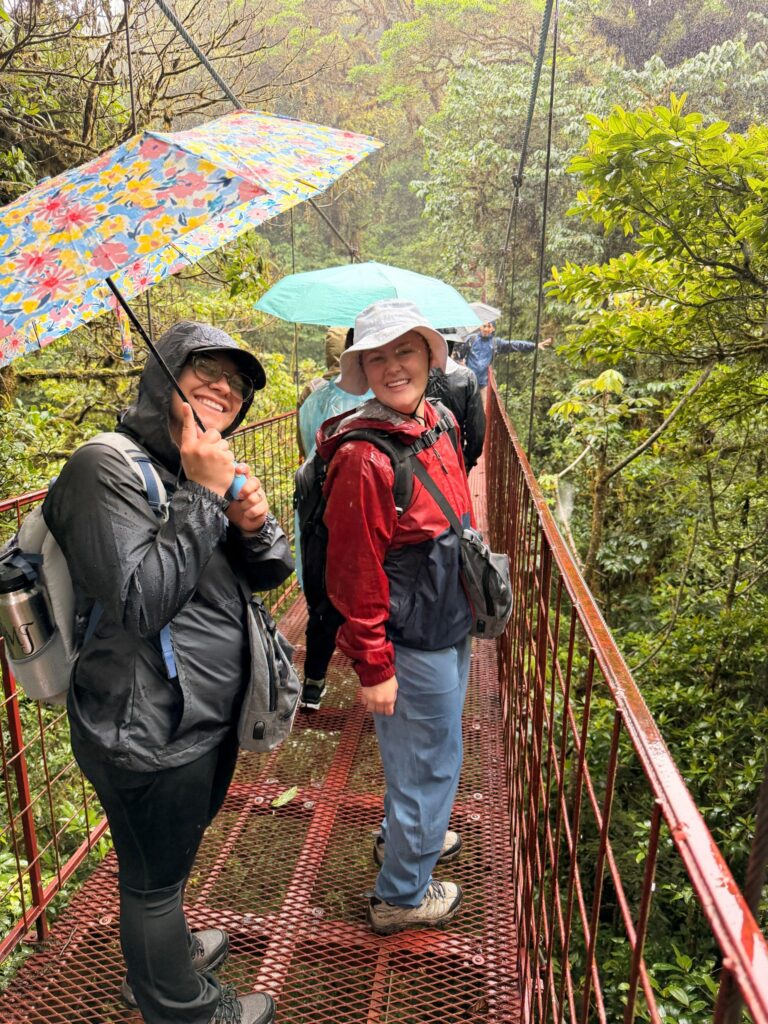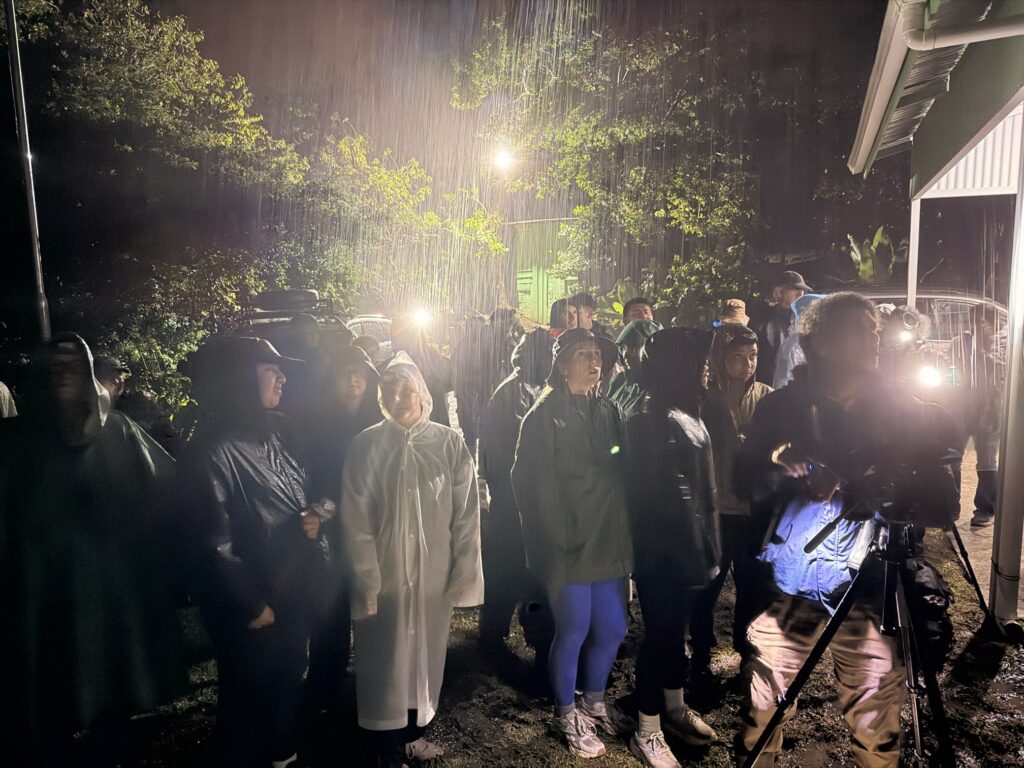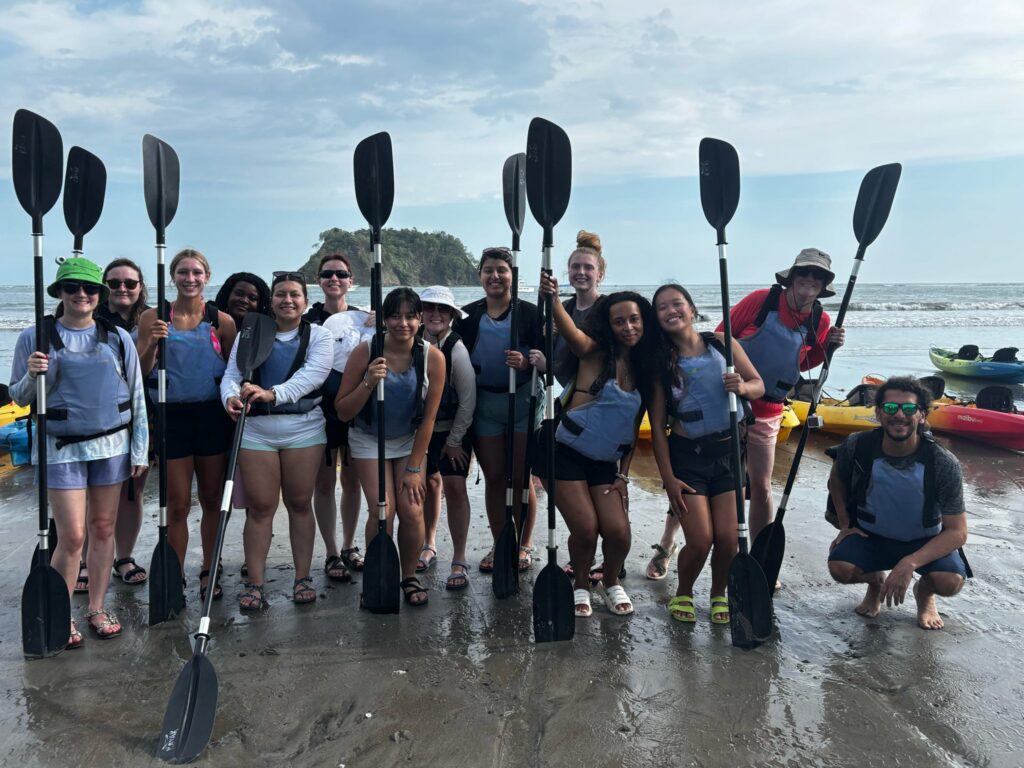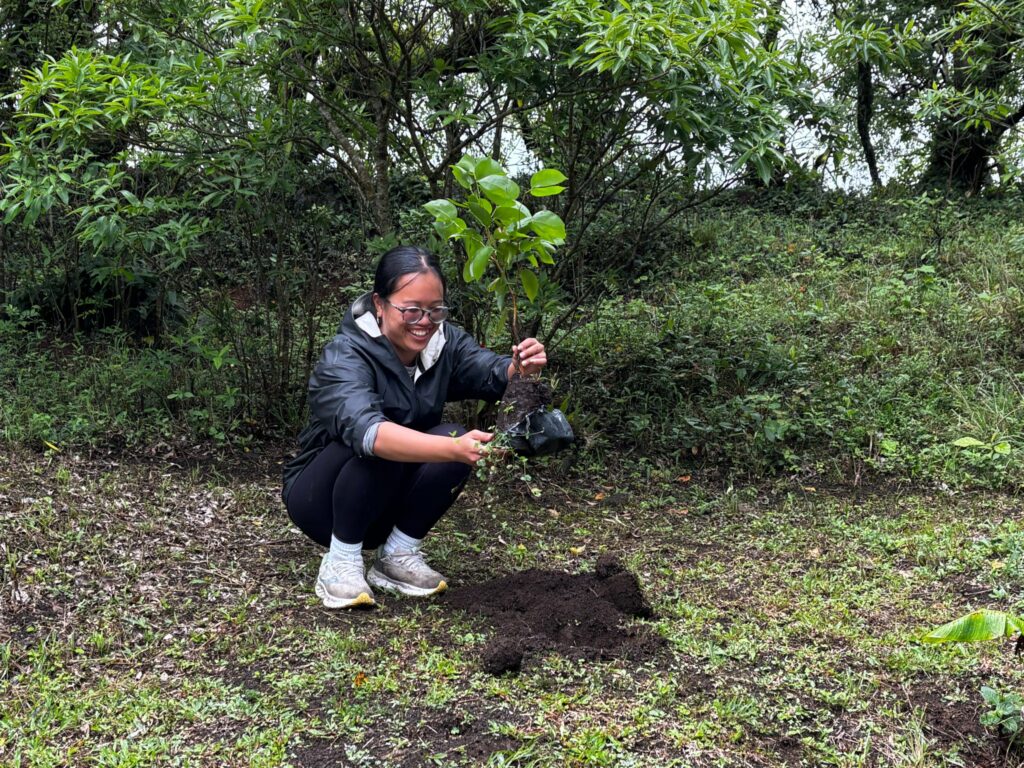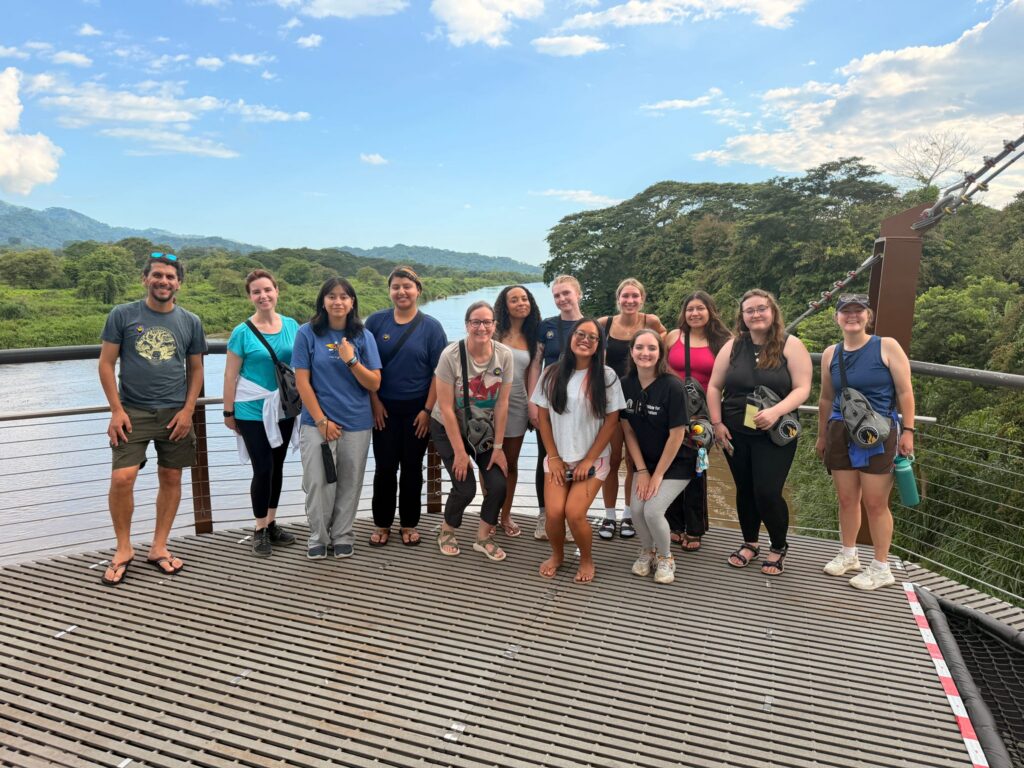
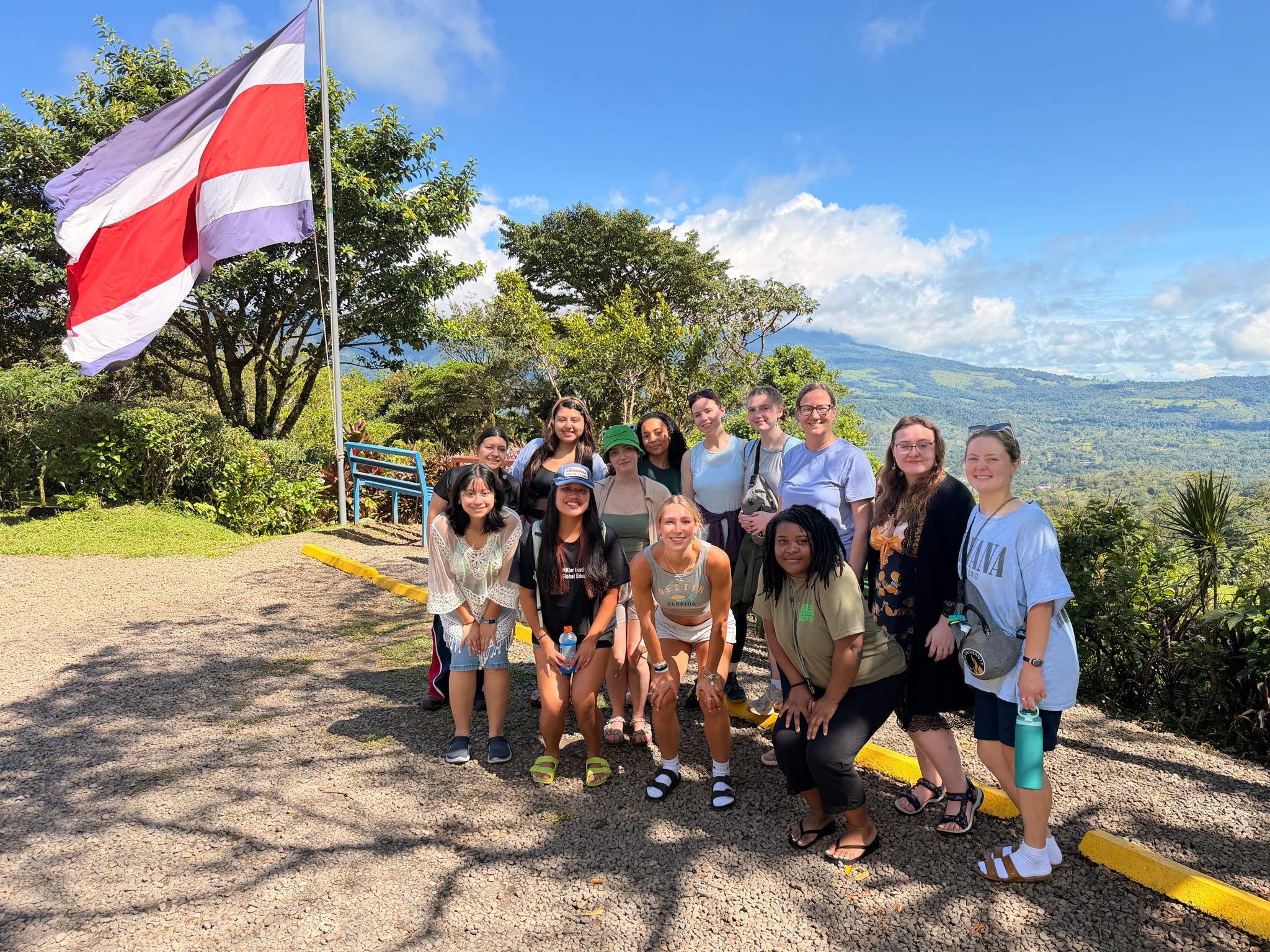
Eleven students and two faculty members traveled to Costa Rica this June as part of a biological field study.
The Costa Rica trip is sponsored biannually by Brenau University’s Miller Institute for Global Education and the Dr. Louise Bauck Endowment for Environmental Studies, with special thanks to Dr. Stewart Bauck, and is led by the Math and Science Department. The group spent nine days overseas studying biodiversity, conservation, sustainability and agroforestry.
“Costa Rica served as a living laboratory for our biology students,” Jessi Shrout, Ed.D., department chair and associate professor of biology, said. “They became more informed global citizens and gained a deeper appreciation for environmental stewardship. They were challenged to take the lessons they learned on the journey and apply them here at home.”
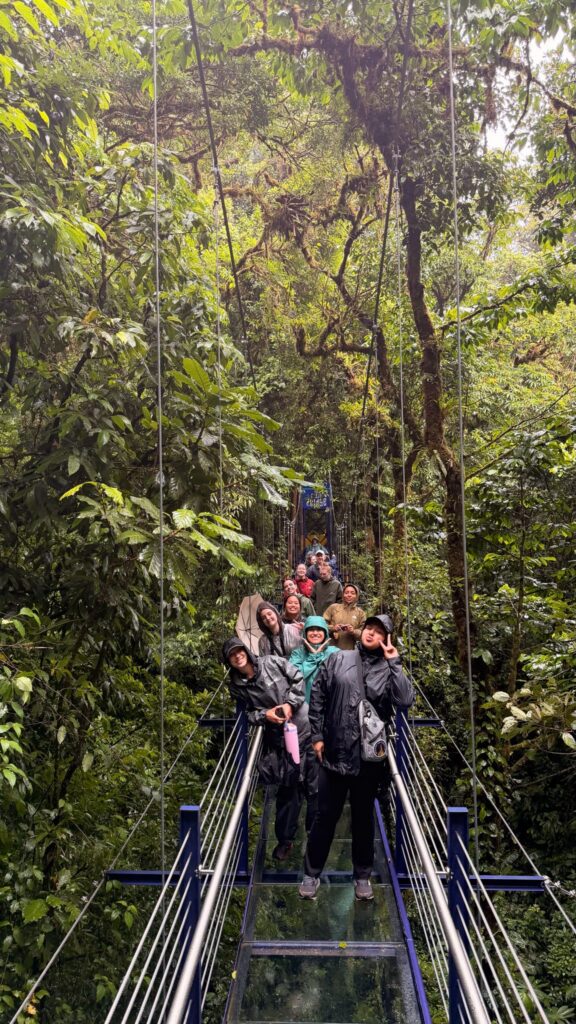
Students documented their experiences through photos and daily blogs, describing the landscape, animals and food, as well as their visits to the Monteverde Cloud Forest, the volcanoes of the Northern Lowlands and the beaches of the Nicoya Peninsula.
“Another early morning starts at 6:30 a.m. for breakfast, and immediately hitting the road to head to one of Costa Rica’s famous national parks with the Tenorio Volcano,” Sophomore Autumn Bingham said in her Day Five blog. “While it wasn’t as hot as expected, it was as biodiverse. Cicada shells littered the trails as we walked along, watching Heliconius butterflies flit by, and spiders creep along the branches. Our reward was seeing a neon blue waterfall, the vibrance caused by a chemical reaction in the water, scattering the colors into a pretty turquoise.”
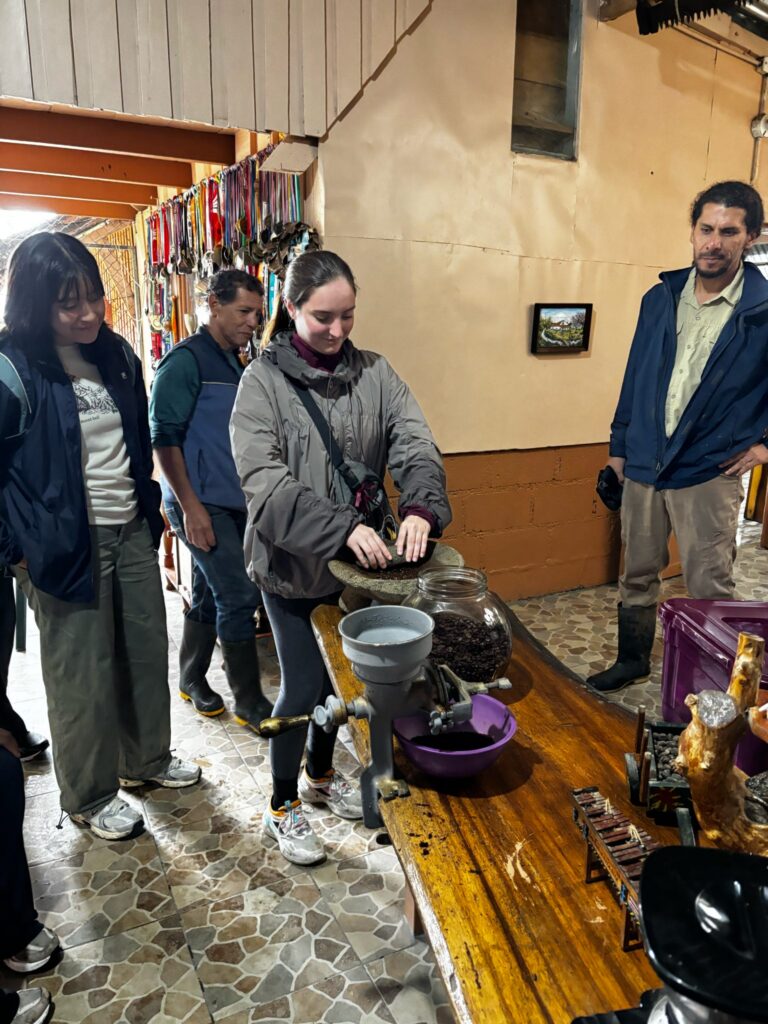
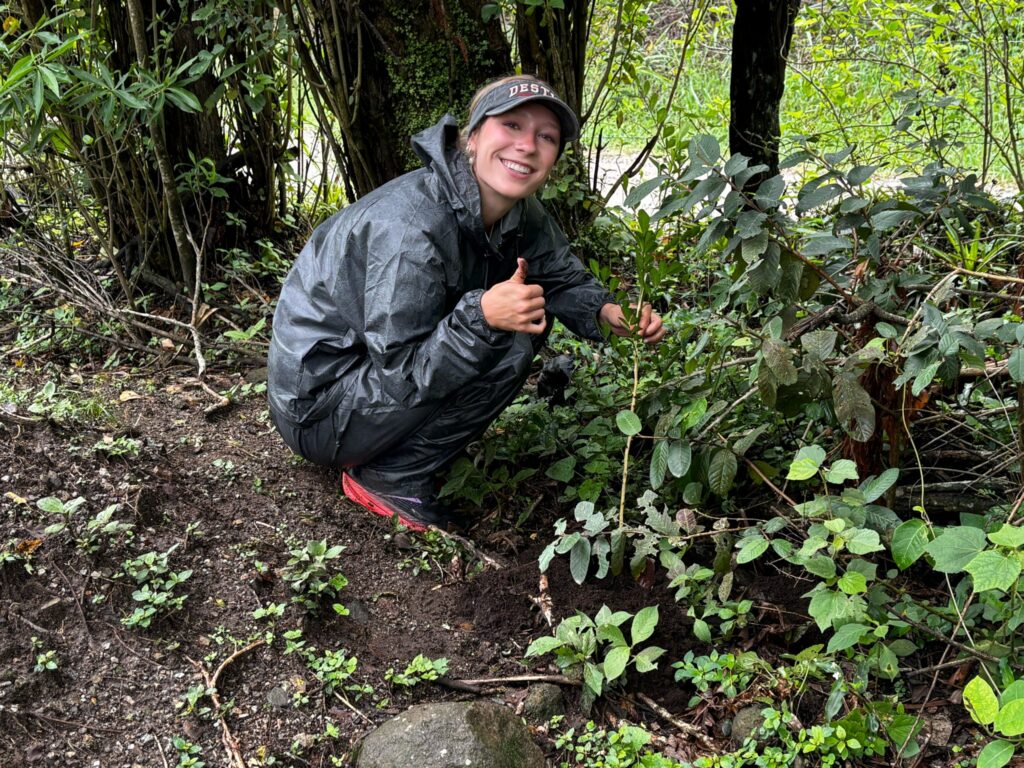
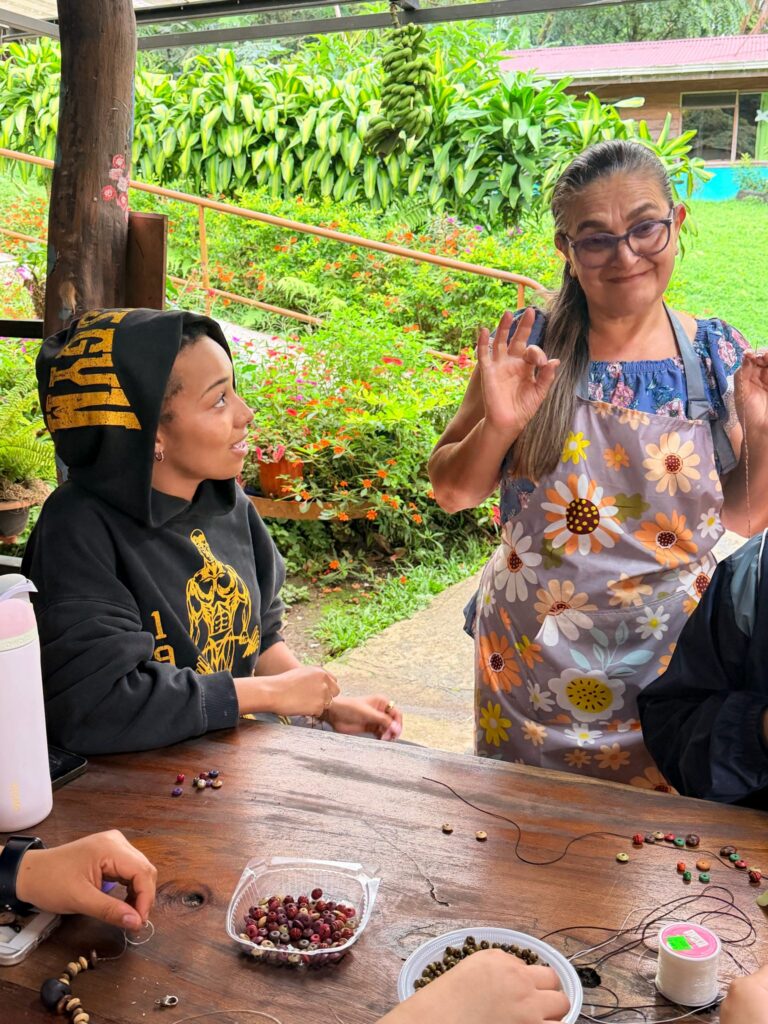
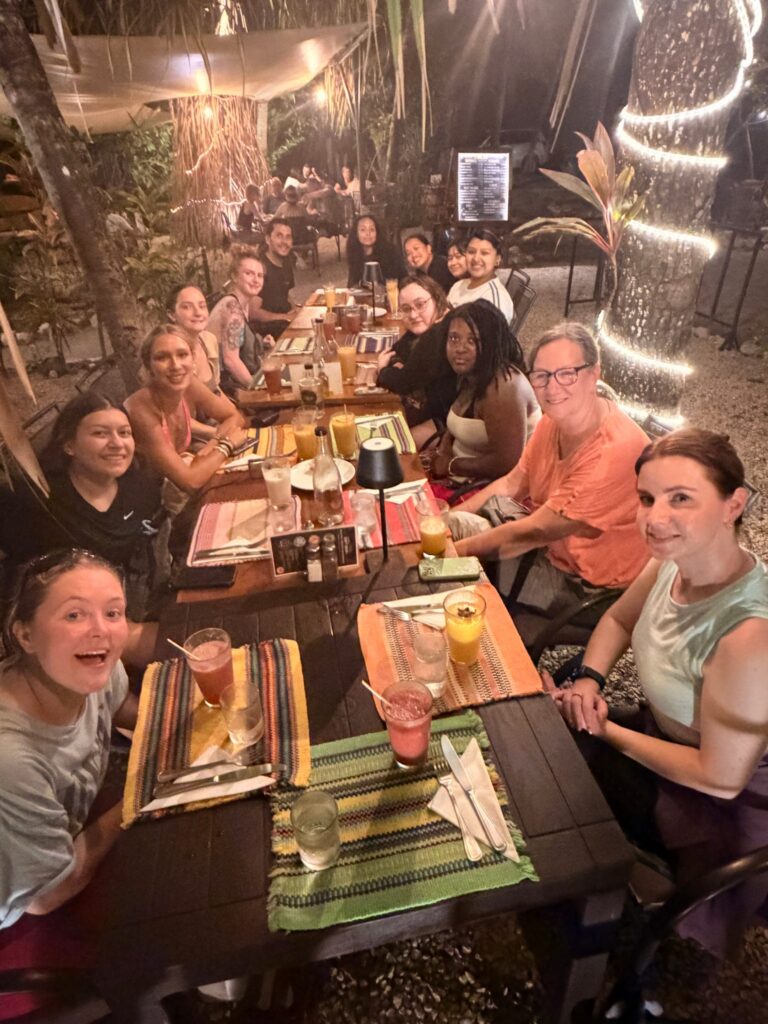
The students also toured a sustainable coffee farm and a sustainable fishery and shopped at a women’s artisan co-op. They immersed themselves in the regional culture by learning from locals during visits and trying Costa Rican food at local restaurants. They also engaged in various service-learning projects during the trip.
“For me, one of the most rewarding aspects of this biological field study was watching our students evolve skills and perspectives that simply cannot be developed in a traditional classroom setting,” Shrout said.